
It’s normal to feel inadequate. That doesn’t mean its good. We live in a world where we’re inundated with glossy, smiling photos of what’s presented as other people’s ‘lives’. How can we do anything but feel inferior by comparison?
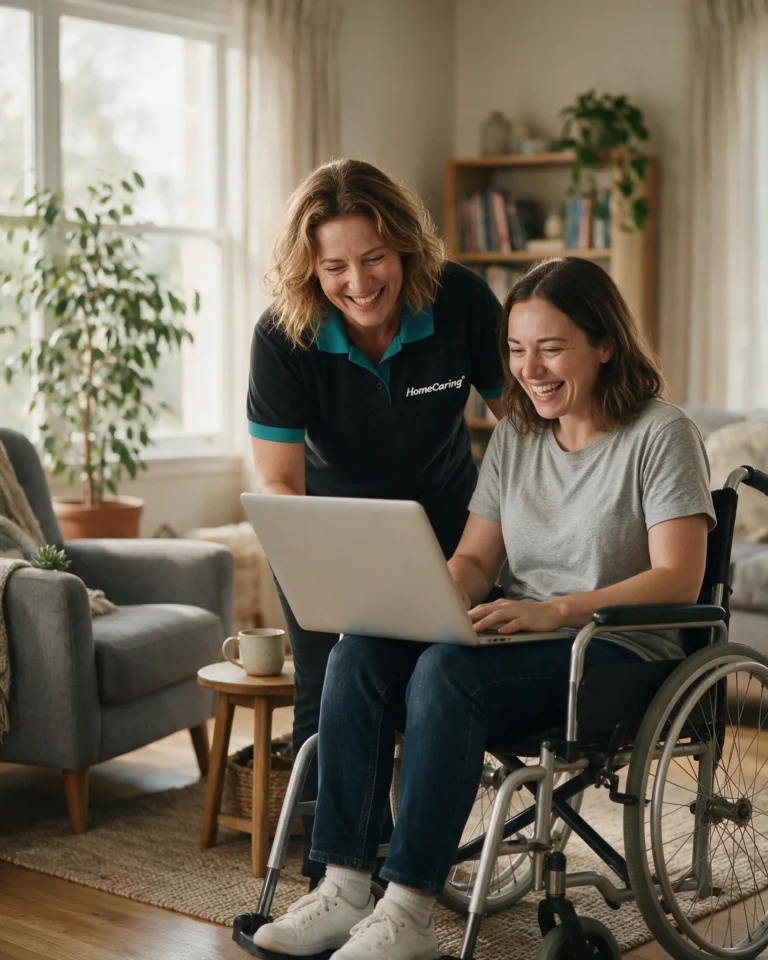
Now imagine seeing all these happy people, people doing happy things and knowing you can’t ever be included in these activities because they aren’t accessible to you. While I’ll credit where credit is due- society is slowly adapting a more and more diverse representation of different body types and abilities. Which goes a long way to including people who aren’t normally seen, to suddenly feel like they have a seat at the table. I have a close friend who uses a wheelchair, and she recently came across a ‘wheelchair barbie’ and her excitement was massive. I can understand why.

But what about people who don’t have a visible disability? Whose “shortcomings” are only noticeable when they’re compared to the rest of the population? If you’re the person who has the invisible disability how can you do anything but compare yourself to everyone else. As an outsider, I always thought A.D.H.D just meant you were a little naughtier in school but aside from that I never gave it much more thought.
As somebody with an A.B.I its easy enough for me to just blame my failure to meet blog deadlines on my brain injury and not spend a lot of time beating myself up for my failings. (this is definitely not a healthy or productive coping strategy, and I wouldn’t recommend it to anyone!) But that’s because I live in a society where most people accept the challenges that can come with a brain injury. Unfortunately attitudes towards people living with A.D.H.D and various other disabilities are expected to function and participate in society, the same as everyone else. Which is a problem. How can you not look at someone’s life (neuoro-typical) and not compare your achievements with theirs.
Need help working out your options?
Talk to a local team about the support you need
No obligation, and we’ll explain your options in plain English.
Get started Or call 1300 875 377